Targeted Reward Systems in Betting Apps: Mechanics That Sustain Long-Term User Engagement
Rosa Foster · Oct 1, 2026
Targeted Reward Systems in Betting Apps: Mechanics That Sustain Long-Term User Engagement
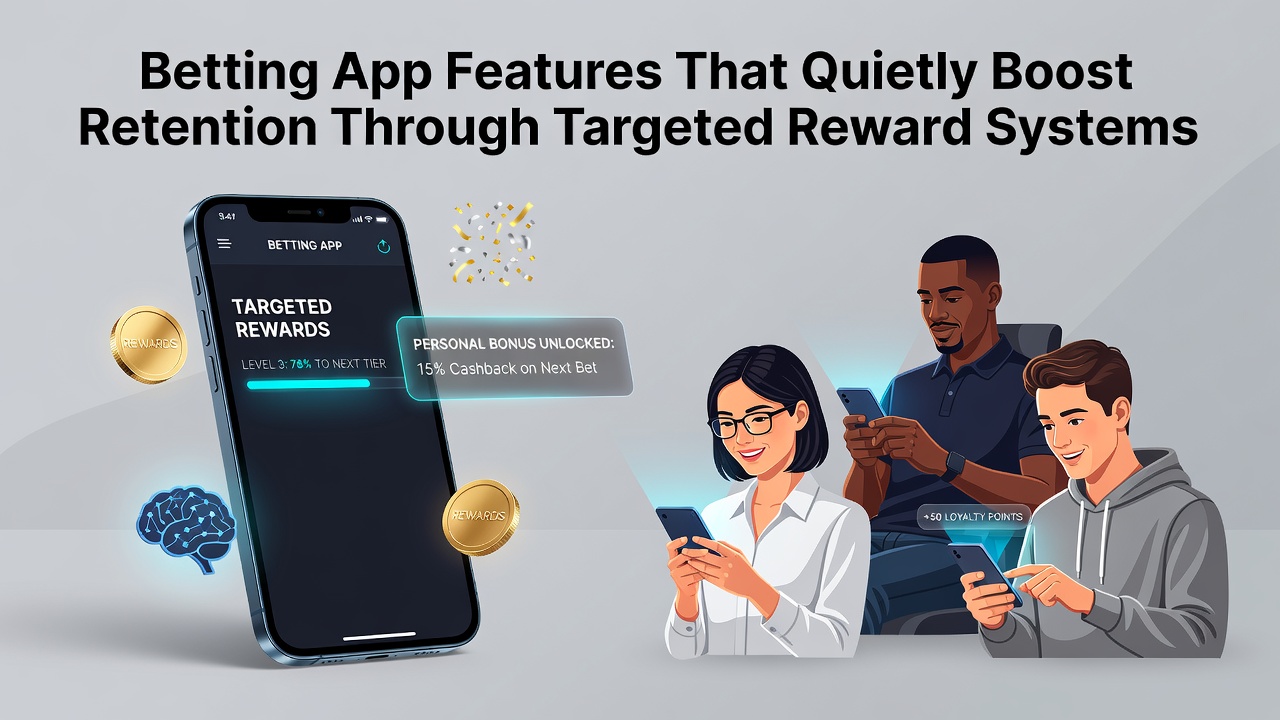
Betting apps incorporate layered reward mechanisms that adjust automatically to individual user patterns, and these systems have drawn attention from industry analysts tracking retention metrics across mobile platforms. Data from market reports show that apps deploying dynamic personalization see measurable differences in repeat session rates compared with those using generic promotions. Observers note that such features often operate in the background, surfacing only when algorithms detect specific betting behaviors or inactivity thresholds.
Personalized Cashback Structures and Their Role in Habit Formation
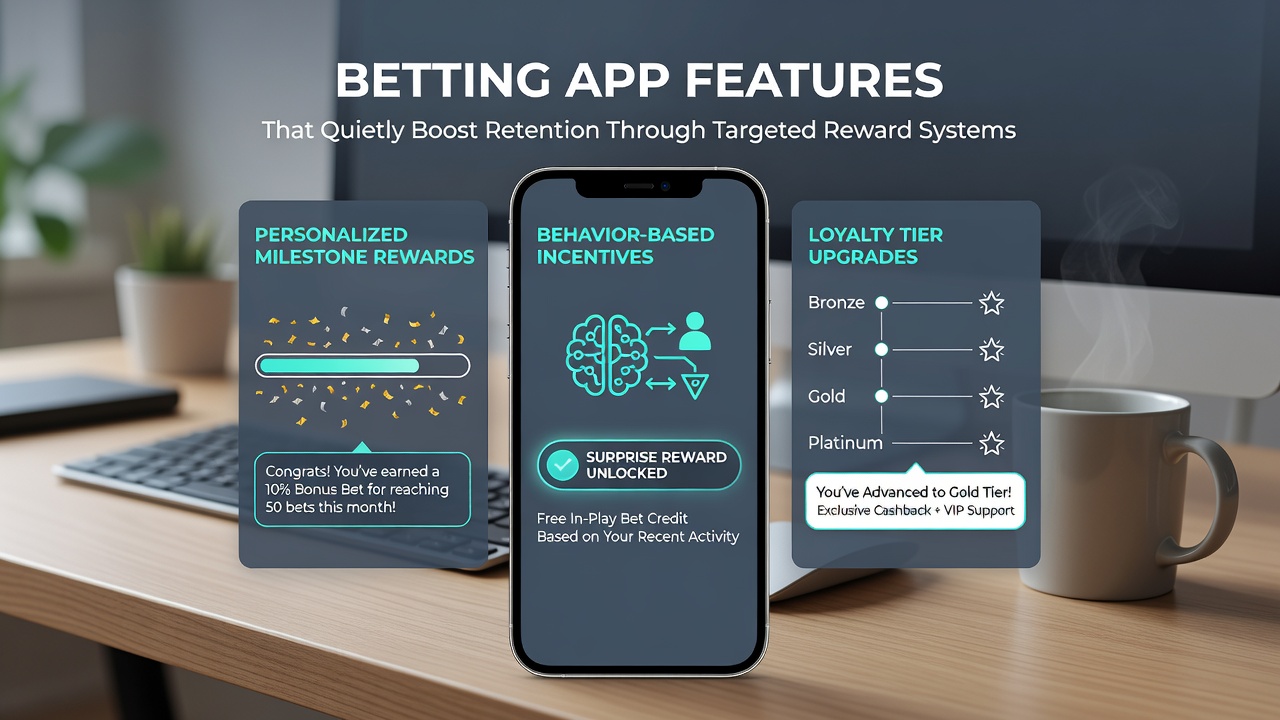
Many platforms calculate cashback percentages based on a user's recent activity history rather than applying flat rates across the board, which allows the system to respond directly to volume and frequency. For instance, an app might increase the rebate level after a player completes a set number of wagers within a defined period, and this adjustment happens without requiring manual input from the user. Studies conducted by research firms indicate that these tailored returns correlate with extended account lifespans because they align incentives with demonstrated preferences instead of broad assumptions.
Users receive notifications at moments when their activity shows signs of slowing, and the timing of these alerts stems from predictive models built on aggregated anonymized data. According to findings published by the American Gaming Association, operators that refine cashback triggers around behavioral signals report steadier engagement curves throughout the calendar year, including quieter periods outside major sporting events.
Loyalty Tiers That Adjust in Real Time
Tiered loyalty frameworks segment users into progressive levels determined by cumulative metrics such as total stakes, variety of markets played, and session duration. Advancement occurs automatically once predefined criteria are met, unlocking incremental benefits like faster withdrawal processing or exclusive challenge entries. Researchers examining retention patterns have observed that the visible progression bar itself functions as a retention cue, prompting continued participation to reach the next threshold.
These tiers often reset or recalibrate on monthly or quarterly cycles, which prevents stagnation while still rewarding consistent behavior. In October 2026, several major operators updated their tier algorithms to factor in cross-device activity, allowing users who switch between mobile and desktop sessions to maintain momentum without losing accumulated progress. The approach mirrors techniques employed in other sectors but applies specifically to wagering data sets that include bet type distribution and average stake size.
Streak-Based Challenges and Milestone Rewards
Streak mechanics encourage consecutive daily logins or consecutive wager completions by offering escalating small rewards that culminate in larger payouts upon reaching longer sequences. Developers integrate these challenges with push notifications that reference the user's own historical patterns, such as reminding someone who typically bets on weekends about an ongoing weekday streak opportunity. Evidence from platform analytics suggests these features reduce churn rates during transitional periods when external events might otherwise draw attention away from the app.
Milestone rewards activate upon completion of multi-step objectives that combine different elements, for example requiring both a deposit and a minimum number of bets across specified categories. One study from an academic institution in Australia highlighted how such combined objectives increase the perceived value of continued play because they bundle several actions into a single achievable target. The design ensures that rewards remain attainable yet require sustained effort over multiple sessions.
Referral Incentives Tied to Existing User Behavior
Referral programs in betting apps frequently incorporate data from the referring user's profile to determine reward eligibility and amount, rather than offering uniform bonuses. When an existing account holder invites a new user, the system may grant additional credits if the new participant mirrors certain activity profiles already present in the referrer's history. This method creates a feedback loop where successful referrals reinforce the original user's engagement through shared incentives.
Operators track conversion rates from these referrals separately from organic sign-ups, and internal metrics shared in industry white papers reveal that behavior-matched referrals tend to exhibit higher initial retention compared with untargeted invitations. The mechanism operates discreetly, with the app surfacing referral prompts only after the user has reached a loyalty tier that includes such options.
Conclusion
Targeted reward systems in betting apps rely on continuous data analysis to deliver incentives that match individual usage rhythms, and this alignment contributes to the sustained user bases reported across multiple platforms. Features such as dynamic cashback, real-time tier adjustments, streak challenges, and behavior-linked referrals function together to create retention pathways that adapt without explicit user configuration. As regulatory environments evolve in various jurisdictions, these mechanisms continue to incorporate compliance considerations while maintaining their core focus on pattern-responsive engagement.