Behind the Curtain: How Loyalty Tiers Shape Long-Term Reward Access at Licensed Platforms
Rosa Foster · Oct 29, 2026
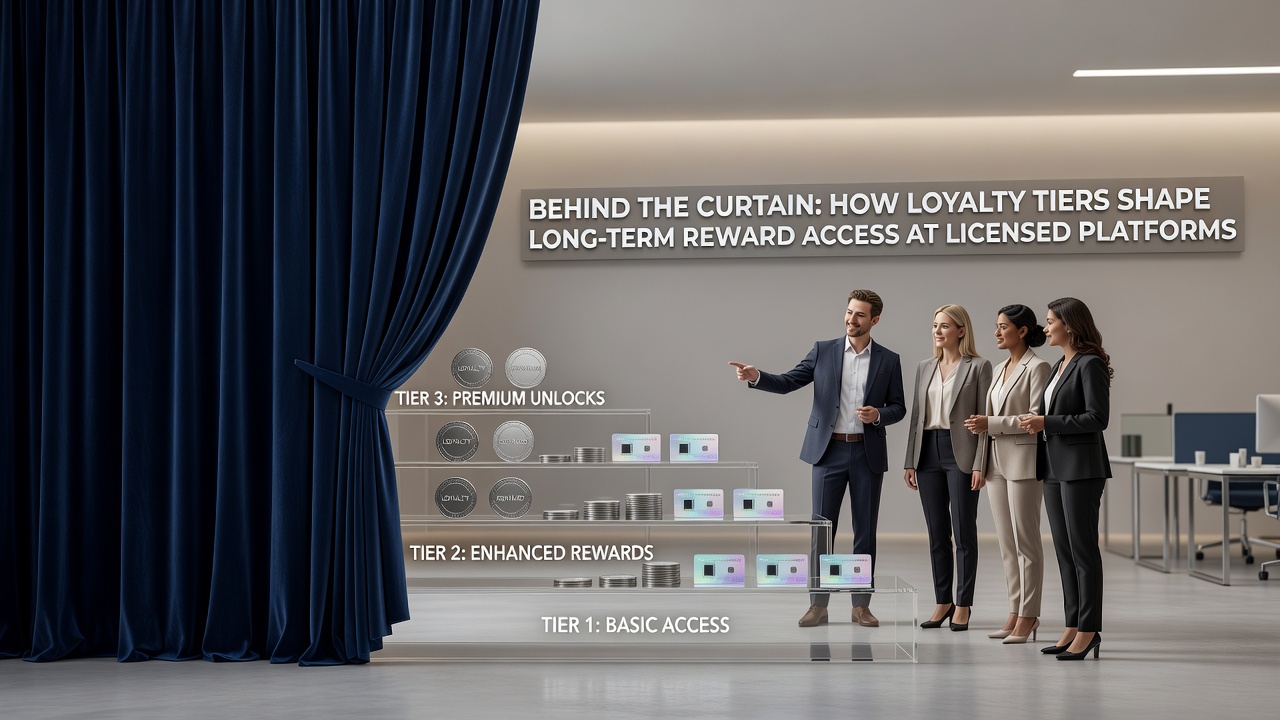
Behind the Curtain: How Loyalty Tiers Shape Long-Term Reward Access at Licensed Platforms
Loyalty tiers function as structured progression systems inside licensed platforms, and they determine how players unlock escalating benefits over extended periods of activity. These programs typically begin with entry-level status that grants basic access to standard promotions, while higher tiers open doors to personalized offers, accelerated reward multipliers, and priority support channels. Data from industry reports indicates that players who maintain consistent engagement across multiple months see measurable increases in redeemable value, particularly when platforms tie tier advancement to cumulative wagering volume rather than isolated deposits.
Platform operators calculate tier status using a combination of deposit frequency, total stakes placed, and sometimes game variety metrics, and this calculation resets on annual or semi-annual cycles in many cases. Those who reach mid-tier levels often gain access to cashback percentages that scale upward, exclusive tournament entries, and enhanced withdrawal speeds, whereas top-tier participants receive invitations to physical events and dedicated account managers. Research from the American Gaming Association shows that retention rates climb when these layered incentives align with player behavior patterns tracked over twelve-month windows.
Tier Mechanics and Reward Distribution
Entry points into loyalty structures usually require minimal activity thresholds that most active users clear within the first few weeks, yet sustained advancement demands ongoing participation that compounds across quarters. Licensed platforms segment rewards into categories such as bonus credits, free spins, and merchandise redemptions, and each category unlocks progressively stricter criteria at higher tiers. Observers note that October 2026 saw several major operators adjust their multiplier formulas to favor long-term volume over short bursts, a shift that directly affects how quickly players accumulate elite status.
Players who examine the fine print discover that certain high-value rewards carry wagering requirements that only become feasible once tier benefits reduce those obligations. This dynamic creates a feedback loop where early consistency unlocks tools that make continued play more efficient, and data indicates the effect compounds most strongly after the six-month mark. Industry analyses from Canadian regulatory bodies highlight similar patterns in provincial markets where tiered systems correlate with extended session lengths among verified accounts.
Long-Term Access Patterns Across Regions
Geographic differences emerge when comparing how Australian and European licensed platforms structure their upper tiers, with some emphasizing social perks like invitation-only leaderboards while others prioritize monetary accelerators. Those who track player cohorts across multiple years find that individuals reaching platinum or diamond equivalents maintain higher lifetime values because the platforms reserve limited inventory items, such as custom merchandise or travel packages, exclusively for these groups. A university-affiliated study published in 2025 documented that reward redemption rates among top-tier users exceeded baseline figures by substantial margins when measured over eighteen-month periods.

Seasonal adjustments sometimes appear in October, when operators refresh tier catalogs ahead of holiday periods, and these updates can retroactively influence point expiration policies for lower tiers. Players who monitor communications from their chosen platforms notice that long-term access often hinges on maintaining activity thresholds during quieter months, since inactivity clauses can downgrade status without notice. Reports compiled by the Australian Communications and Media Authority reveal that platforms incorporating transparent tier calculators experience fewer disputes over reward eligibility among repeat users.
Verification and Compliance Factors
Licensed platforms must verify player identity and activity logs before granting tier-based rewards, and this verification process adds layers of documentation that protect both operators and participants. Compliance teams review wagering histories to confirm that rewards align with regulatory caps on bonuses, and those reviews occur at regular intervals rather than only at redemption time. Evidence from multiple jurisdictions demonstrates that platforms enforcing these checks report lower rates of account disputes compared with less structured systems.
The interaction between loyalty tiers and responsible gaming tools represents another dimension, since some platforms automatically apply spending limits that scale with tier status. Higher-tier users sometimes receive tailored limit suggestions based on their historical patterns, and these features integrate directly into the reward dashboard. Such integrations help maintain compliance while still delivering the promised long-term value that attracts sustained participation.
Conclusion
Loyalty tier systems inside licensed platforms create defined pathways that convert consistent activity into progressively valuable rewards, and the structure rewards players who plan engagement across extended timelines rather than isolated sessions. Geographic variations and seasonal updates continue to shape how these systems evolve, yet the core mechanism remains tied to verifiable activity data and regulatory oversight. Those who understand the progression requirements and verification steps position themselves to maximize access to the full spectrum of benefits available at each level.